

From Approved Sample to Production: Keep CMF Decisions Visible

An approved sample is an important milestone, but it does not carry every decision into production by itself.
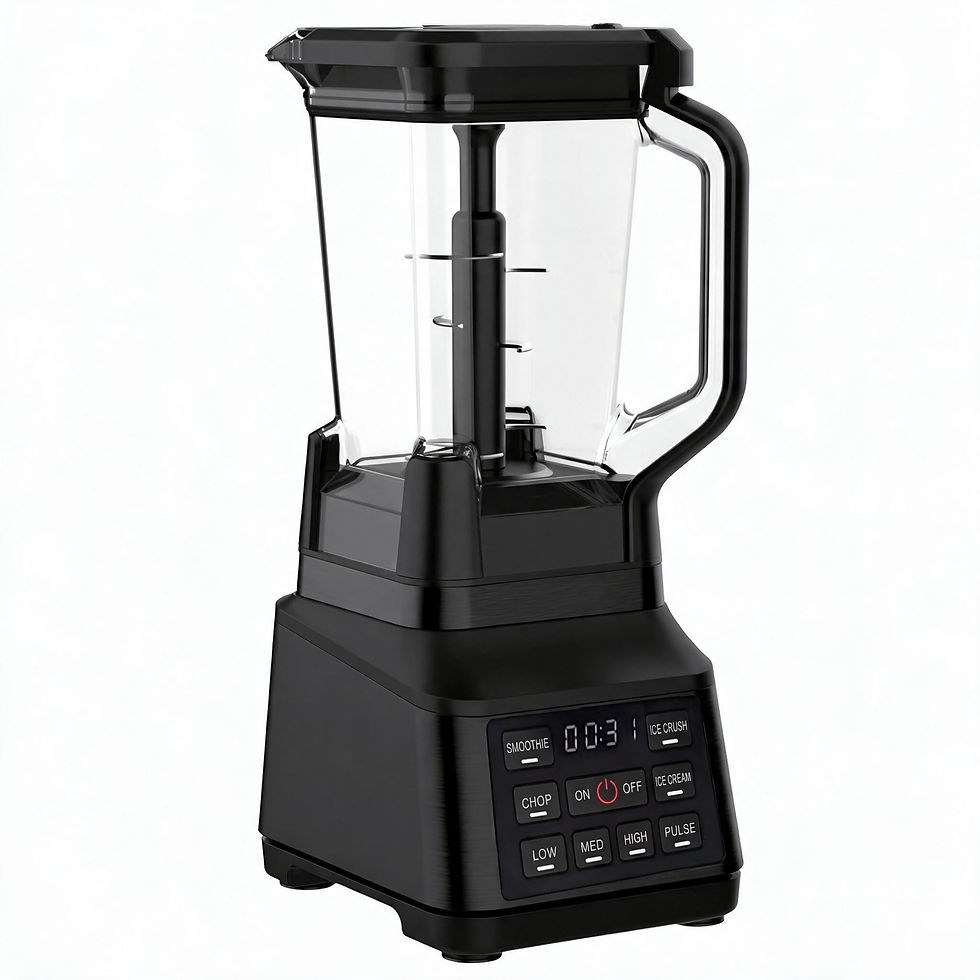
During the development of a kitchen appliance, many visible details may have been discussed separately: the housing colour, the gloss level of a handle, the finish of a metal trim and the contrast of printed markings. By the time the sample is approved, the team may understand these decisions clearly. The next challenge is making sure that understanding does not remain only in emails, meeting notes or memory.
I would begin by identifying the exact sample being used as the visual reference. The model, sample version and approval date should be recorded, especially if several similar samples have been reviewed.
Then I would list the approved CMF decisions by part. “Blue housing” is rarely enough. Which blue reference applies? Is the surface matt, textured or glossy? Does the handle use the same treatment? Is the metal trim brushed or polished? Which markings need to remain readable against that colour?
Photographs can help locate each part, but they should support—not replace—the physical sample and agreed specifications. Lighting, screens and image processing can all change how a colour or finish appears.
I would also separate confirmed decisions from open points. If the housing colour has been approved but the printed scale still needs adjustment, the documents should show that distinction clearly. Otherwise, a partially approved sample can easily be treated as a fully approved one.
Any later change should update the connected references. A colour adjustment may affect the product code, packaging image, colour label or order breakdown. If one record changes while the others remain unchanged, the team can end up working from different versions of the same product.
Before production moves forward, I would review the visible product, the approved reference and the related documents together. This is not a substitute for performance, safety or compliance checks; it is a way to keep the product’s intended appearance aligned.
For me, “from colour board to container” includes this handover. A good CMF decision creates value only when the people responsible for the next stage can identify it, reproduce it and confirm that they are working from the same reference.


